Truck Route Sign: Meaning and What to Do
The white rectangle reading TRUCK ROUTE marks the road that trucks are directed to use through an area. Where a community restricts trucks from other streets, the truck route is the lawful path, and the sign is often followed by arrows or route markers that guide drivers along it.
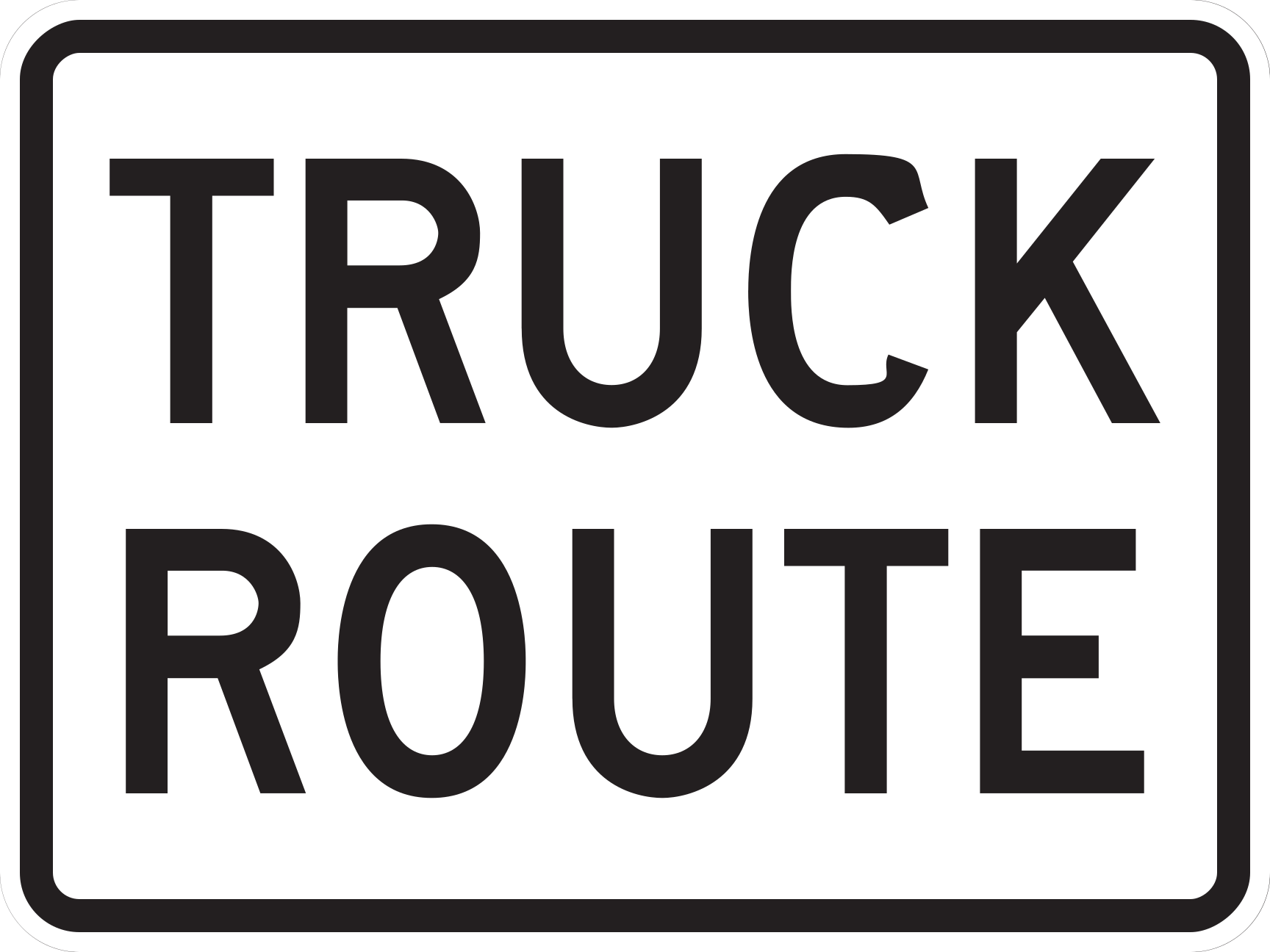
Truck Route Sign
A truck route exists for the same reasons a No Trucks sign does: bridges, clearances, turning radius, and neighborhood protection. Following it keeps a heavy vehicle on roads built for it and away from the streets that would trap it.
What to do when you see the truck route sign
If you are driving a truck, follow the route the sign marks and stay on it until it ends or a sign directs you off. If you are in a car, expect heavy vehicles and give them the room they need to turn and stop. Nothing about the sign restricts cars.
The signs it is confused with
The classic pairing is with the No Trucks sign: one directs trucks onto a road, the other keeps them off. Tests also contrast the white regulatory rectangle with the yellow Truck Crossing warning diamond, which warns rather than directs.
Signs are one topic of ten on every test
Every state practice test covers signs, signals, and markings among its ten topics, with every answer explained. Pick your state and see how its exam asks about signs like this one; it is free, with no sign-up.
Choose your stateQuestions about the truck route sign
What does a truck route sign mean?
Trucks should use this road through the area. It marks the designated path where other streets restrict heavy vehicles.
Must a truck driver use the truck route?
Where a community has restricted trucks from other streets, yes; the route is the lawful path. Each state and locality sets the details, and the signs on the ground state them.
Does the truck route sign affect car drivers?
Not as a rule, but as a warning of what to expect: trucks turning wide, stopping longer, and blocking sight lines. Leave them space.
How do I know when the truck route ends?
An END plaque or the absence of further route signs. Until then, a truck follows the arrows and markers that continue the route.
How does this sign appear on the written test?
Usually as the opposite of No Trucks in a pair of choices, or in a CDL question about lawful routing through a town.