Low Clearance Sign: Meaning and What to Do
The yellow diamond stating a clearance height warns that the underpass or structure ahead is lower than standard. The posted number is the usable height; a vehicle taller than it does not fit, and the sign is the last cheap moment to act on that.
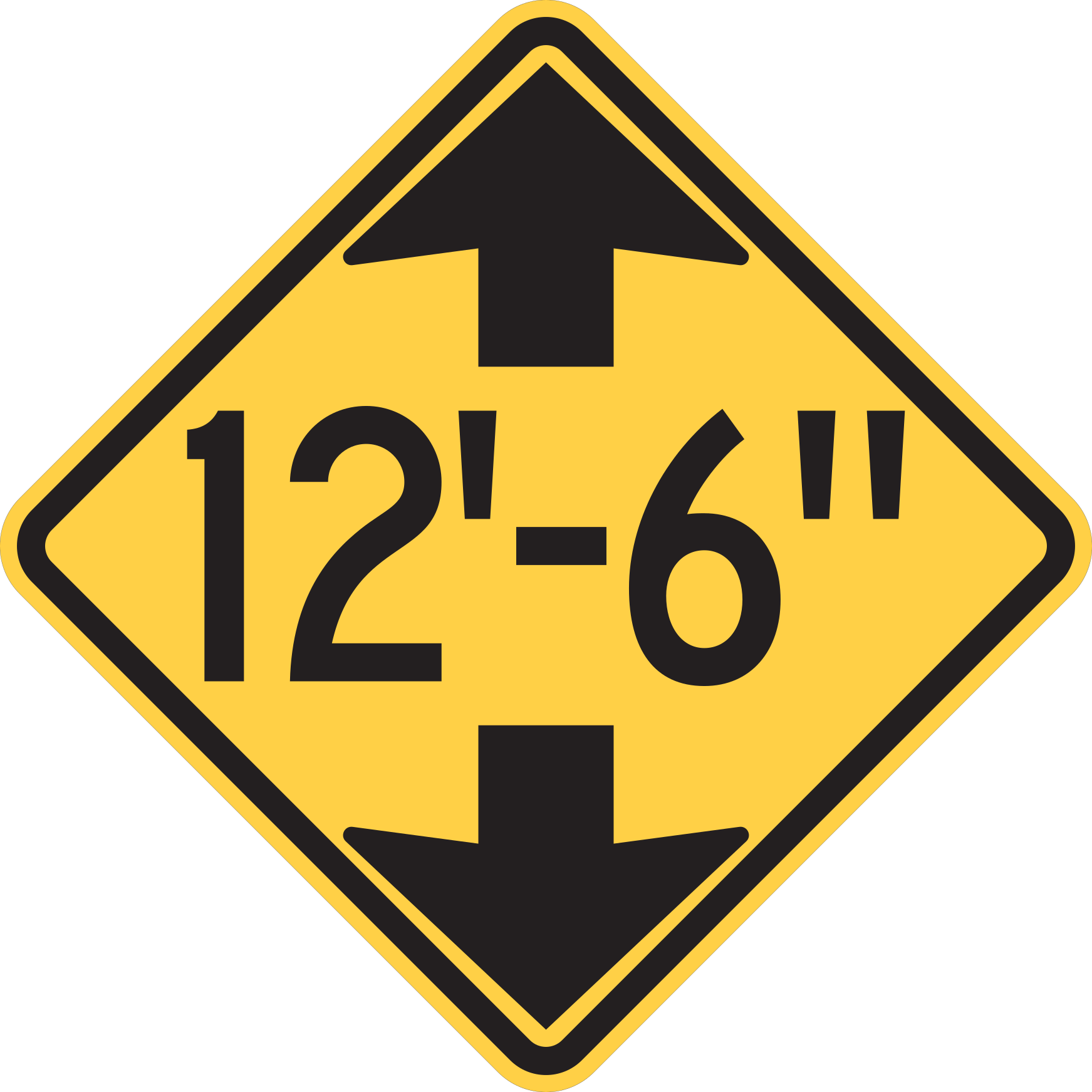
Low Clearance Sign
It is aimed at trucks, buses, and anyone towing tall loads, but every driver should read it as a filter: if the number is close to your height, margin, resurfacing, and snow pack all argue for not testing it.
What to do when you see the low clearance sign
Know your height when you drive anything tall, compare it to the posted clearance with margin, and reroute before the structure when the numbers are close. Never trust a car-oriented GPS with a tall vehicle; it does not know your roof exists.
The signs it is confused with
Tested with the CDL bridge-strike material and route-planning questions. The distinction from the orange work-zone clearance signs is temporariness; the yellow version is the road's permanent geometry.
Signs are one topic of ten on every test
Every state practice test covers signs, signals, and markings among its ten topics, with every answer explained. Pick your state and see how its exam asks about signs like this one; it is free, with no sign-up.
Choose your stateQuestions about the low clearance sign
What does the low clearance sign mean?
The structure ahead is lower than standard; the posted number is the height that fits. Taller vehicles must reroute before it.
Who needs to act on it?
Anyone tall: trucks, buses, RVs, and cars towing tall trailers. If you do not know your height, the sign is telling you to learn it.
How much margin should I keep under a posted clearance?
Enough to absorb resurfaced pavement, snow pack, and load shift. A number at or near your height is a no, not a maybe.
Why do bridge strikes keep happening?
Car GPS routing tall vehicles, borrowed or rented trucks with unknown heights, and drivers trusting habit over the posted number.
How is it tested?
In CDL knowledge heavily, and on car tests as sign identification and towing judgment.